
Best Time to Visit Nova Scotia Wineries in 2026: Month-by-Month Planner + Events
A month-by-month 2026 planner with seasonal expectations, confirmed event anchors, and three easy planning templates. Pick your vibe first, then map a simple route.
Check live hours: Nova Scotia Winery Directory
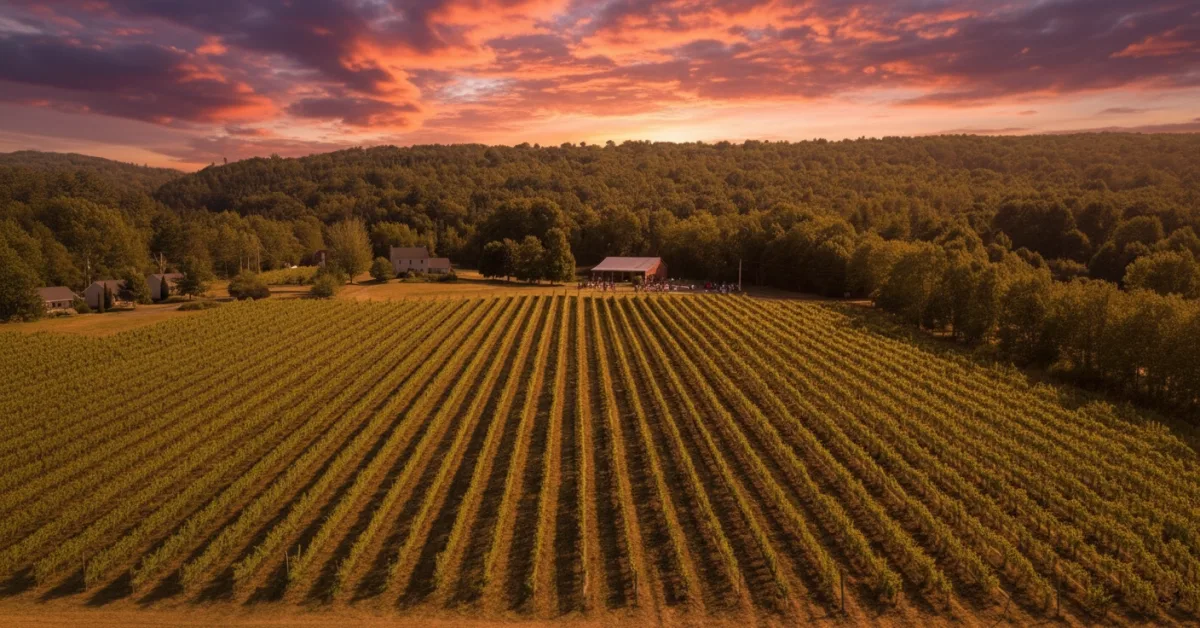
The best time to visit Nova Scotia wineries depends on whether you want patio energy, harvest feel, or cozy winter tastings anchored to specific events.
There is no single perfect month for everyone. The “best” window depends on your pace, your weather preferences, and whether your group cares more about events, scenery, or quieter tasting rooms.
The easiest way to pick your best time
- Cozy and event-driven: January to March.
- Fresh and flexible: May to June.
- Peak patios: July to August.
- Harvest feel and fall color: mid-September to October.
- City plus festivals: late November.
How to choose quickly (without overthinking)
- Pick your vibe first: cozy, patio, harvest, or festival-driven.
- Choose your base: Halifax for city pairing, Wolfville for short winery loops.
- Lock one event anchor or one signature winery day.
- Keep total winery stops realistic for your travel pace.
This four-step approach prevents the most common planning mistake: building a long winery list before deciding the type of trip you actually want.
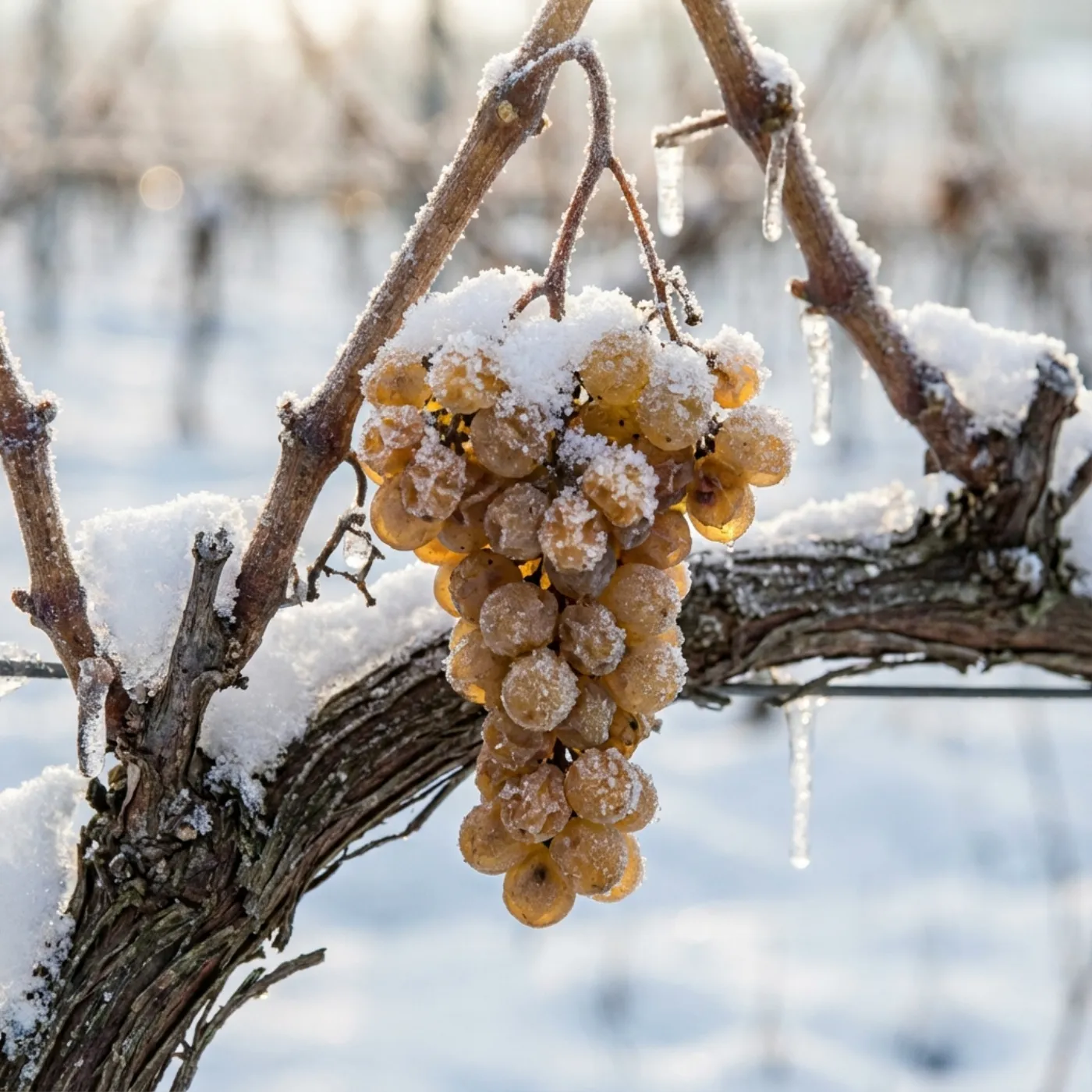
Seasonal planner
| Season | Best months | Ideal vibe | Core stops |
|---|---|---|---|
| Winter | Jan to Mar | Cozy tastings and events | Benjamin Bridge, Lightfoot & Wolfville |
| Spring | Apr to Jun | Quiet roads and fresh releases | Domaine de Grand Pré, L'Acadie Vineyards |
| Summer | Jul to Aug | Patios and long lunches | Luckett Vineyards, Jost Vineyards |
| Harvest | Mid-Sep to Oct | Foliage and fresh releases | Domaine de Grand Pré, Planters Ridge |
Seasonal labels in Nova Scotia are useful, but shoulder periods are often where the best value sits. May, June, and September frequently balance weather, pacing, and reservation availability better than peak weekends.
Month-by-month quick planner for 2026
January to March 2026
Best for event-driven trips and cozy tastings. Build around fixed reservations and keep daily stop count lower. Winter Wine Passport dates (January 16 to March 29, 2026) make this period easier to structure.
April to June 2026
Great for lower crowd pressure and easier route changes. This period is ideal for visitors who want city + wine country in one trip without summer booking stress.
July to August 2026
Best for patio energy and long daylight, but plan farther ahead. Weekend tastings and lunch slots can fill quickly, especially for high-demand wineries.
September to October 2026
Strong all-around window for many travelers: harvest atmosphere, cooler evenings, and excellent light for scenic drives. If you enjoy event layering, Devour week in late October is a natural anchor.
November to December 2026
Better for city-forward trips with one or two intentional winery experiences, rather than dense winery routing. Halifax festival dates can be useful anchors in late November.
Confirmed 2026 event anchors
- Nova Scotia Winter Wine Passport: Jan 16 to Mar 29, 2026
- Sip 'n Shuck (Halifax): Fri, Jan 23, 2026
- Nova Scotia Winter Wine Festival (Luckett): Feb 7 to 8, 2026
- Savour Food & Wine Show (Halifax): Apr 2, 2026
- Devour! The Food Film Fest (Wolfville): Oct 19 to 25, 2026
- Halifax International Wine Festival: Nov 28, 2026
Three simple mini-itineraries
Halifax base (2 city days + 1 winery day)
Best for first-time visitors who want minimal logistics.
Wolfville base (2 winery days + easy dinners)
Best for short drives and relaxed loops.
One-region-only slow travel
Best for visitors who want fewer moves and longer meals.
If your group wants the least stress, this “one region only” model usually performs best. You trade stop volume for better pacing and a more enjoyable tasting rhythm.
Tidal Bay refresher
Tidal Bay is Nova Scotia's signature wine category. Trying it across multiple producers is one of the easiest ways to understand regional style differences quickly.
For new visitors, a simple strategy is to compare two Tidal Bay pours in one day and one sparkling tasting in another. That gives a strong foundation without requiring deep wine knowledge.
Booking strategy by season
Winter
- Book first tasting and lunch in advance.
- Treat third stops as optional.
- Check same-day weather and hours before departure.
Summer
- Book weekend slots earlier than you think you need.
- Prioritize one long lunch block to control pacing.
- Avoid overstacking Saturday itineraries.
Fall
- Use event weeks or foliage windows as anchors.
- Confirm closing times since shoulder-season patterns can vary.
- Keep your final day lighter for bottle shopping and travel transitions.
Practical trip style recommendations
For first-time visitors
Choose Halifax for accommodation and do one Valley day. This gives you city flexibility and one focused wine day without heavy logistics.
For wine-focused weekends
Stay in or near Wolfville and run two short loops. This minimizes drive fatigue and makes lunch reservations much easier to manage.
For mixed-age groups
Keep winery days to two stops, prioritize seated tastings, and avoid tight transitions. This consistently improves comfort and engagement.
Plan your route
Pick your season vibe, choose Halifax or Wolfville as your base, and confirm live hours in the Nova Scotia Winery Directory.